Various Overseas Training Programs
business leadership
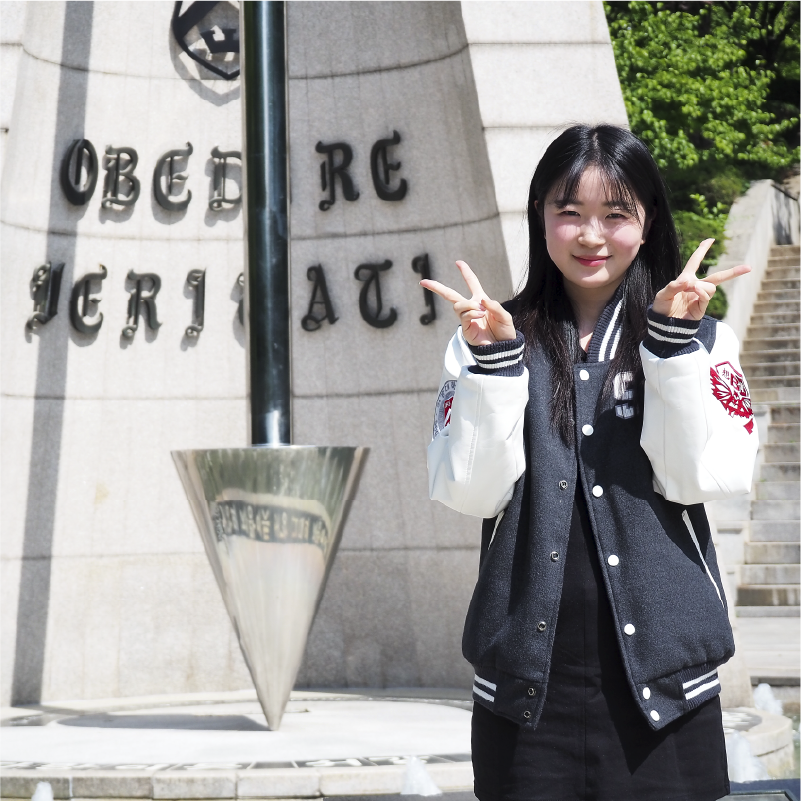
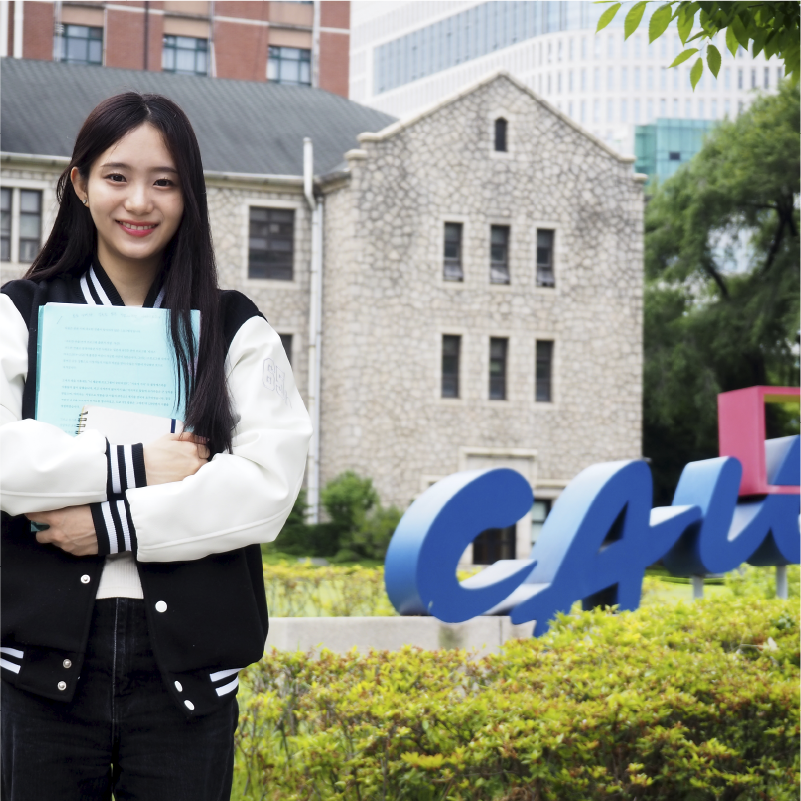
Kanda Institute of Languages has established partnerships with numerous overseas schools and local companies. Students can participate in short-term training programs and internships in various countries while still in school, regardless of their major language. Students can choose the period, content, and destination to suit their own objectives. Students have ample opportunities to put into practice the language skills and communication skills they have learned in the classroom overseas.
-
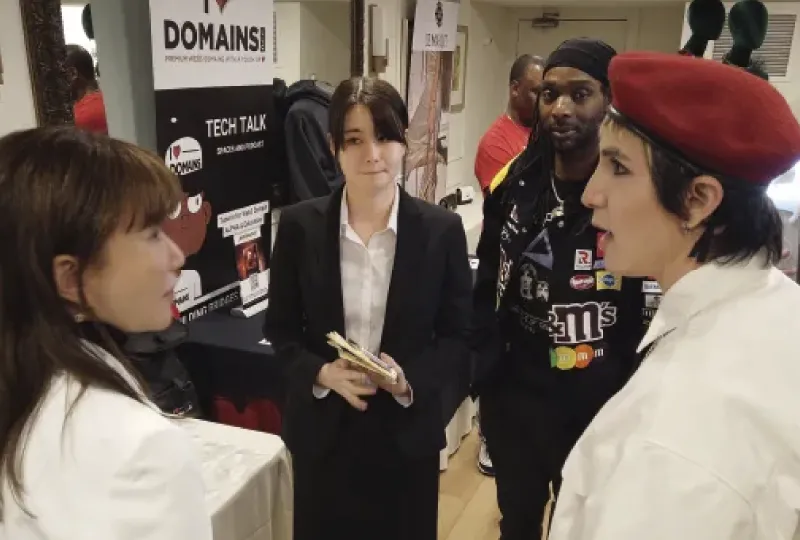
Interpreter Assistant Training at the Grammy Awards Pre-Event (Los Angeles, USA)
-
Interpreter Assistant Training at World Cultural Exchange Event (Honolulu, USA)
-
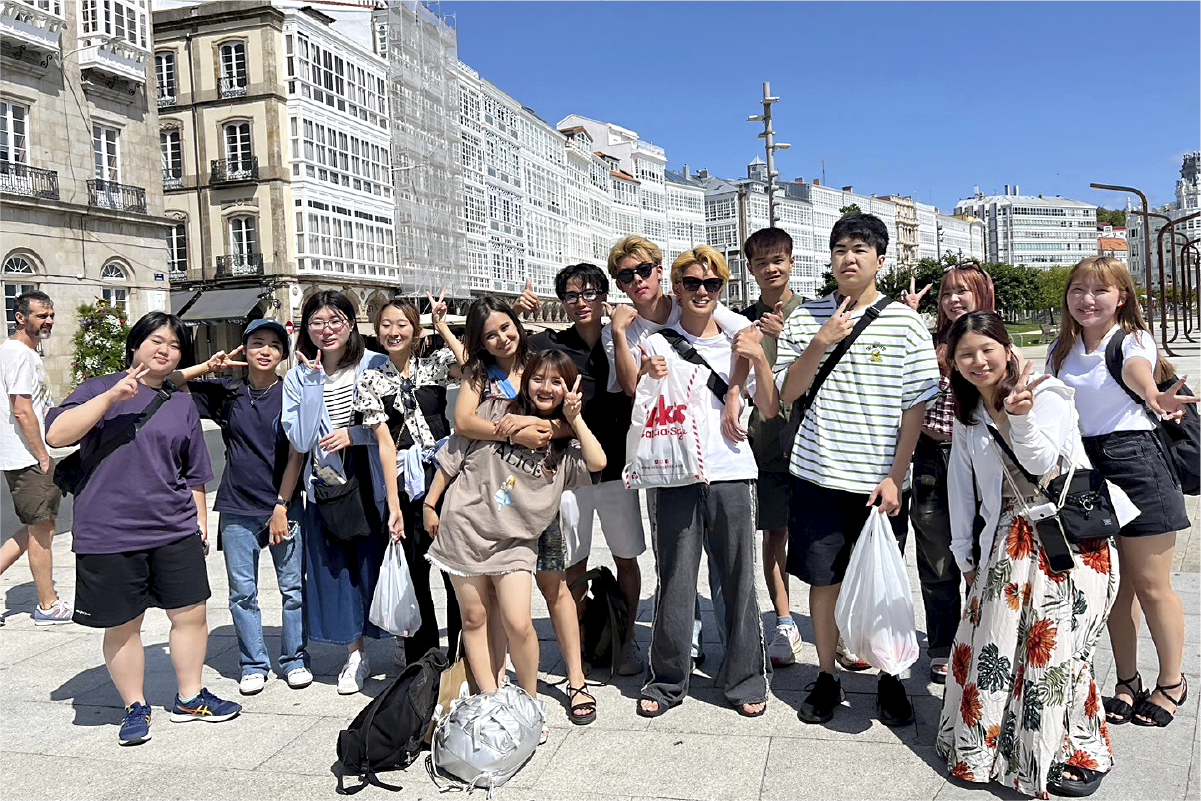
Educational Exchange Program at the University of Salamanca, Spain
-
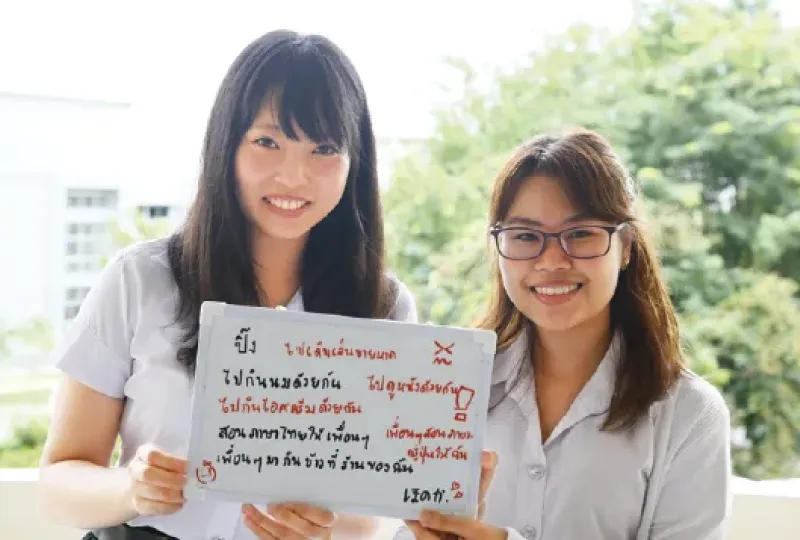
Cultural and language practical training at the University of Vraper (Thailand)
-
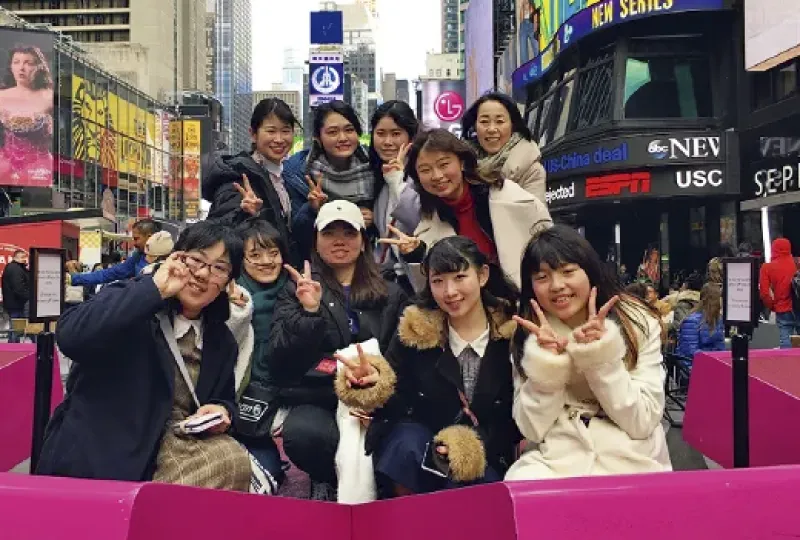
Japanese Culture Volunteer Training
(New York, USA)
-
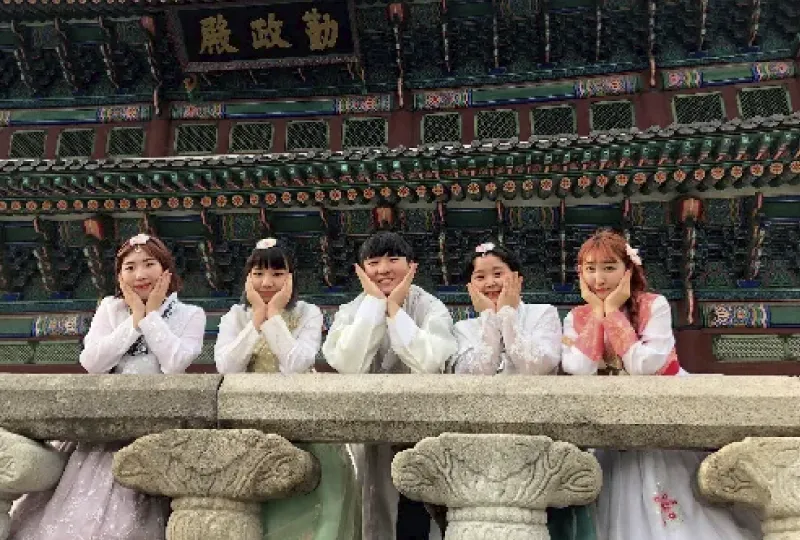
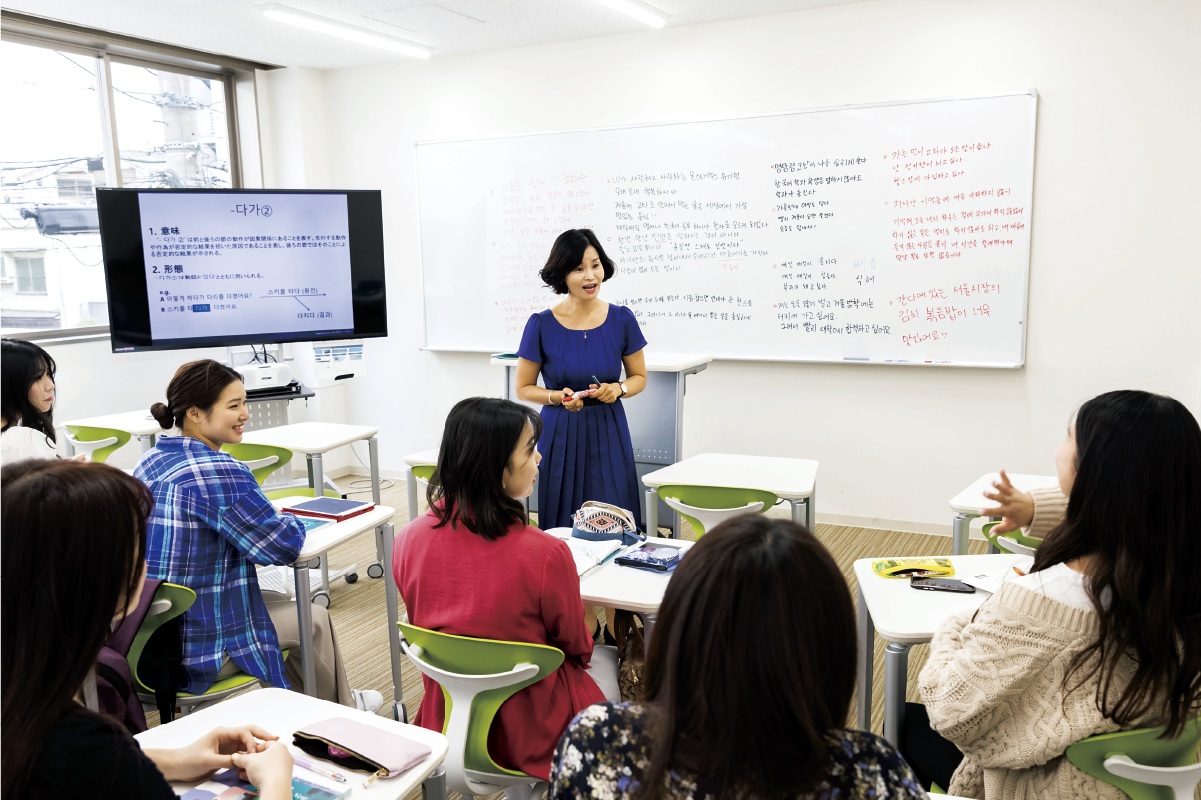
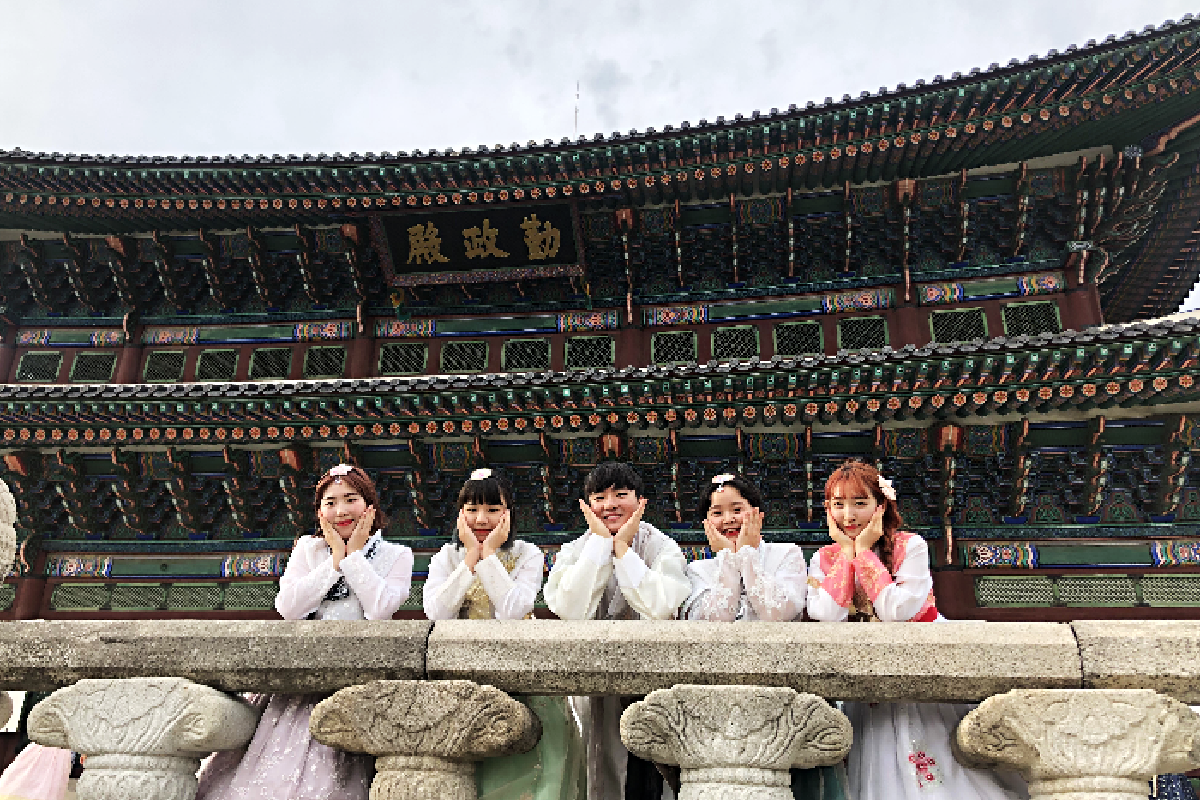
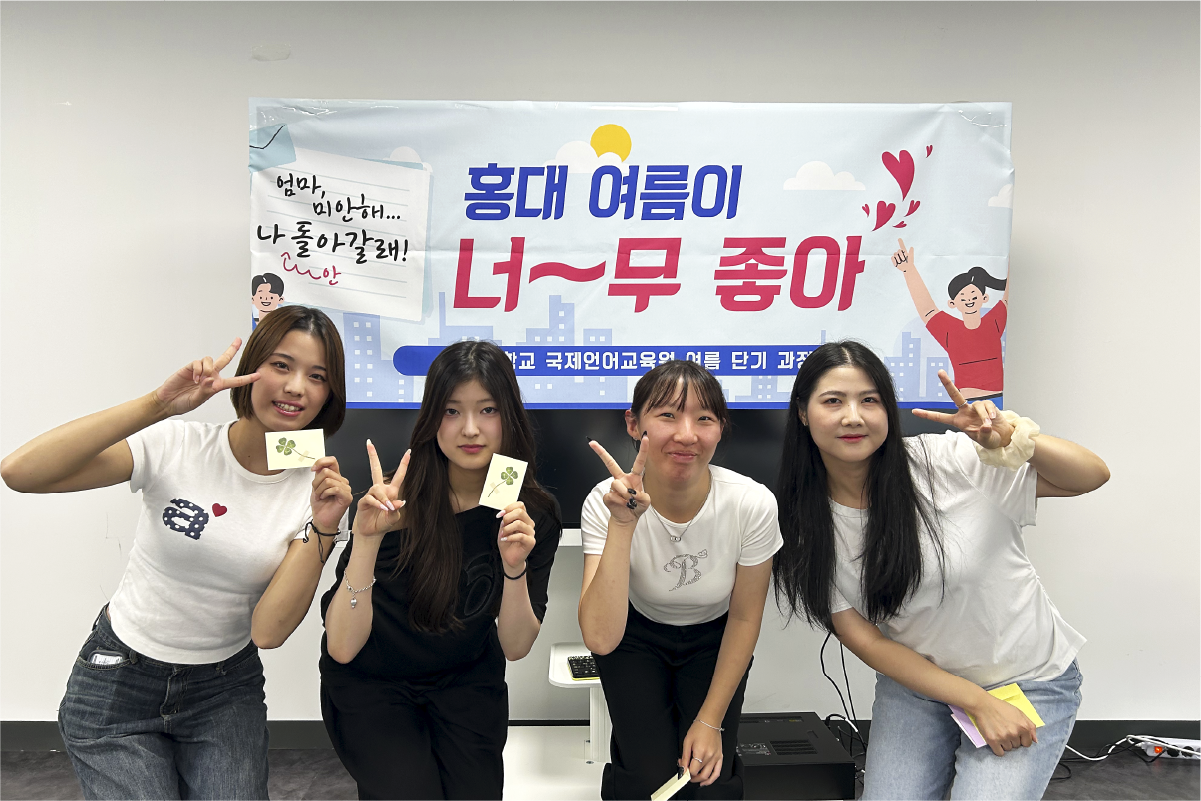
Language and Culture Experience Program (Korea)
-
Travel agency map coverage training (Vietnam)
-
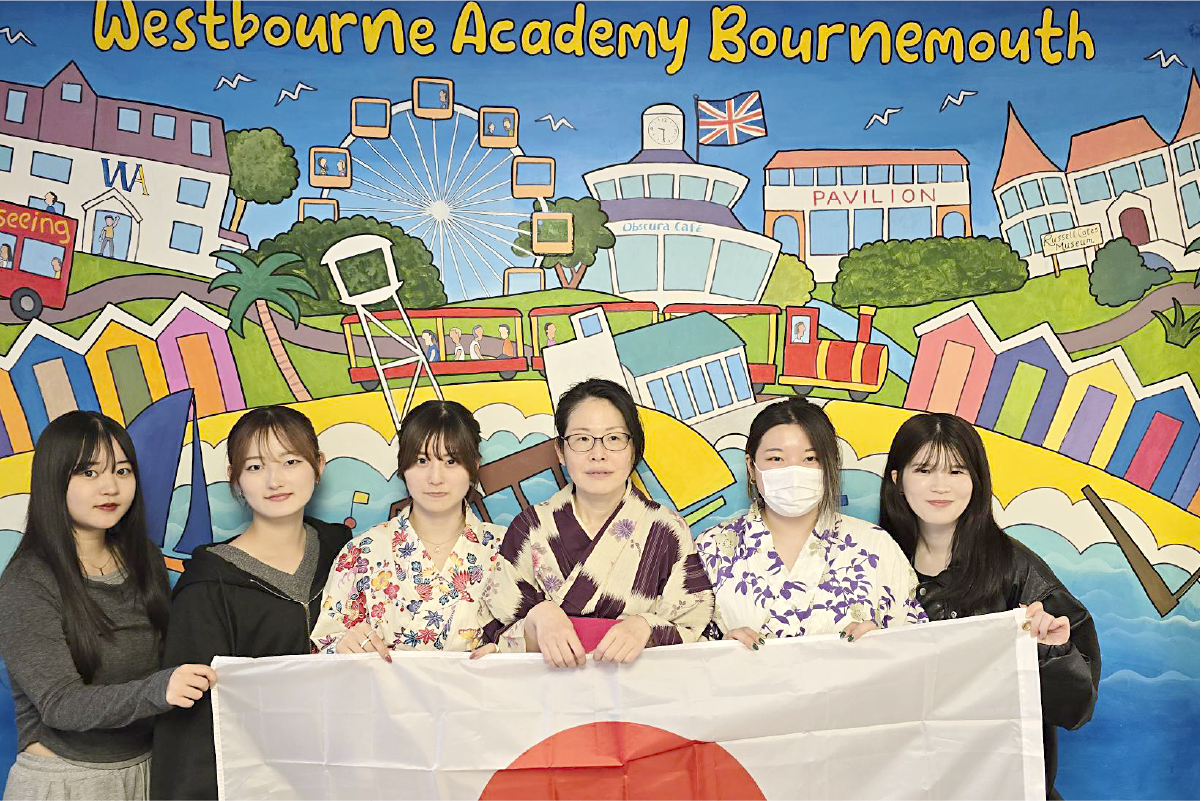
Spring Training in the U.K.
-
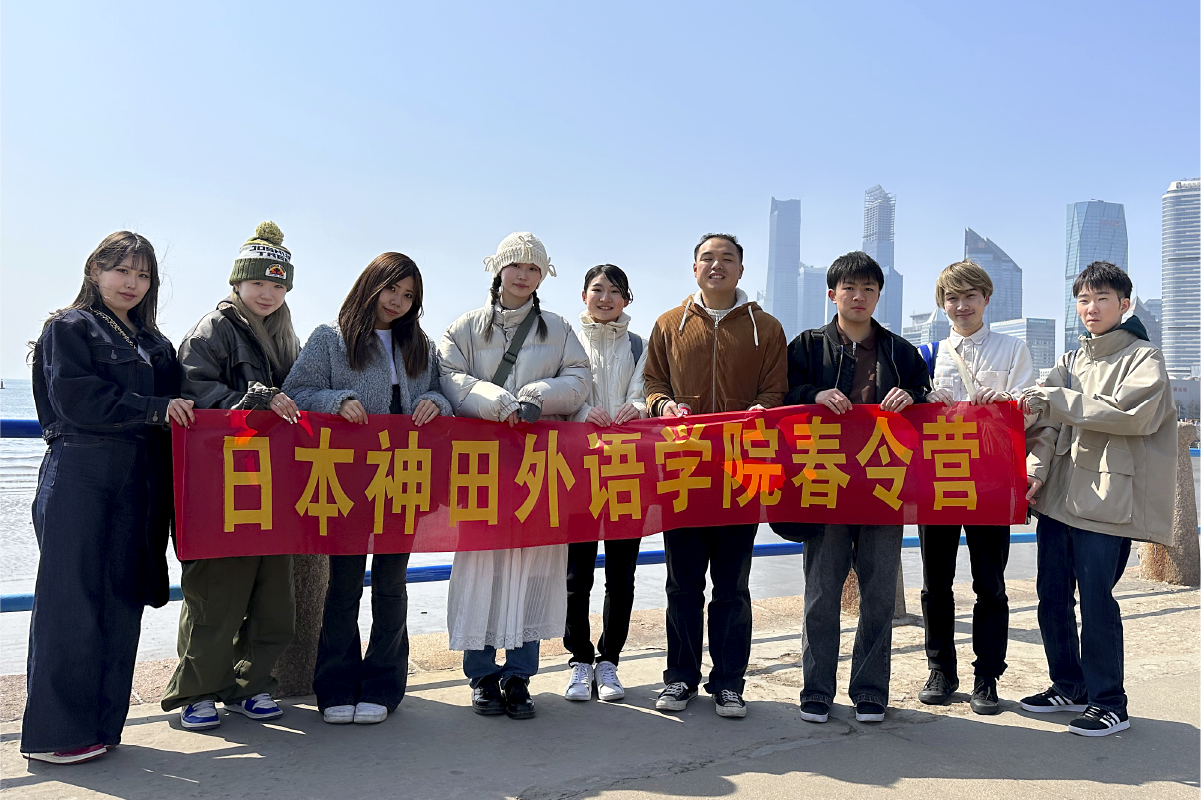
Collaborative Education Program at Qingdao Binhai Academy (China)
Examples of accepted schools:
EMBA-ISUGA (France), University of Salamanca (Spain), Qingdao Binhai Institute (China), Chongji University (Korea), Budilhur University (Indonesia), Hanoi University (Vietnam), University of Brapar (Thailand)
Examples of training destinations:
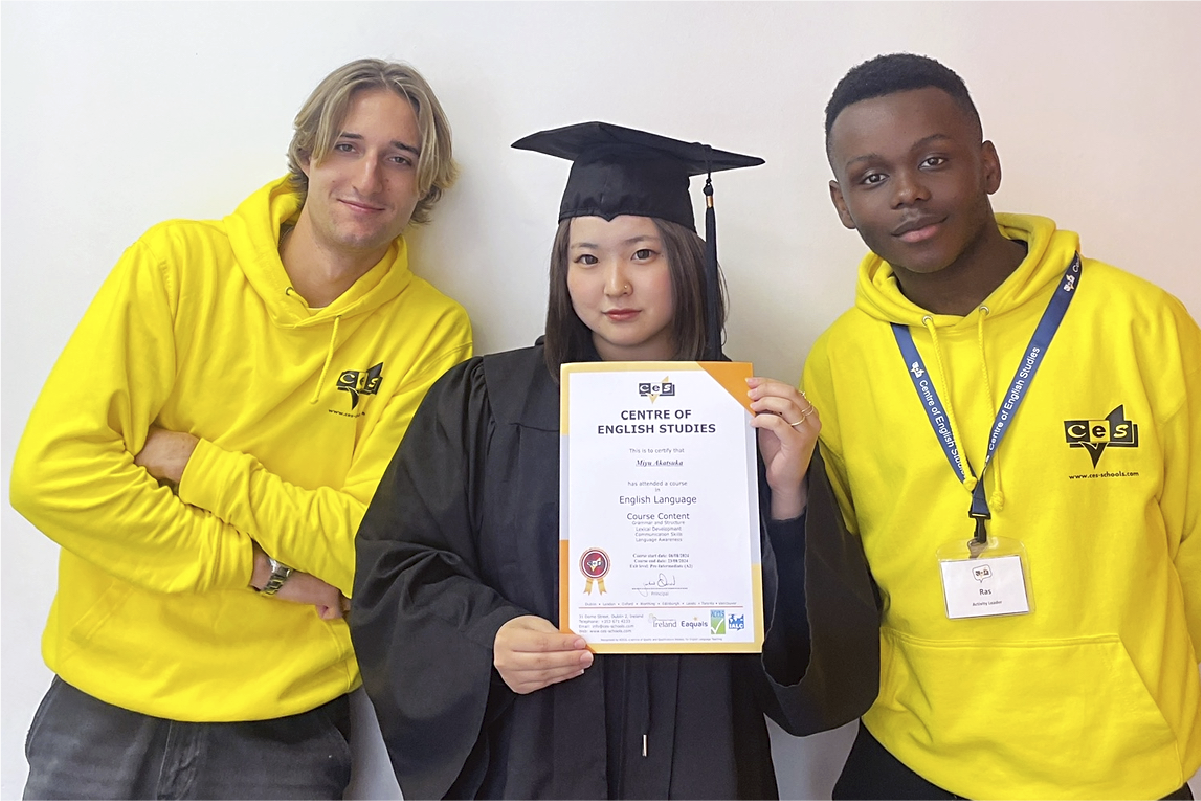
Interpreter assistant training at a world cultural exchange event (Honolulu, USA), Japanese culture introduction volunteer training (New York, USA), advertising sales training (Sri Lanka), travel agency map coverage training (Vietnam), spring training in England, summer training in Ireland, language and cultural experience training ( Korea, etc.
Examples of fieldwork:
Asakusa, Tokyo; Kanda, Tokyo; Kamakura, Kanagawa; Joetsu, Niigata; commercial facilities, theme parks, tourist spots, etc.
Learn from Zero to Overseas Partner Universities Asia/Europe Cooperative Education Program
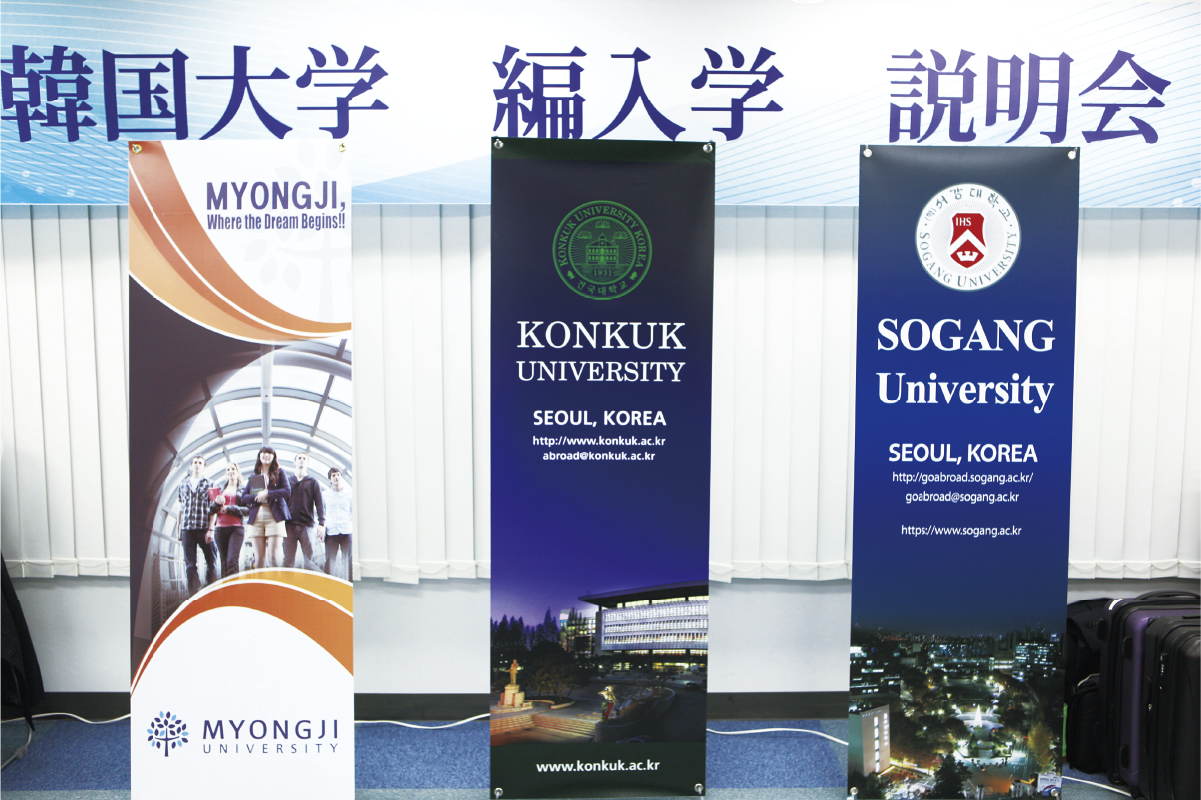
Students who meet certain criteria can transfer to partner universities in Korea or China or to business schools in France for the third year after graduation. If you meet the university's application requirements, you can also transfer to a non-partner university. We also provide information sessions with local university representatives and extensive overseas travel support. Even if you started learning Korean or Chinese from scratch at Kanda Institute of Languages, it is not a dream to transfer to a prestigious local university and earn a degree.
China
| Partner Schools | Chinese Academy of Dalian University of Foreign Languages (Dalian, China) |
|---|---|
| Application Requirements |
Graduates or prospective graduates of Chinese language course (non-Chinese nationals) 3rd year transfer student...HSK5 level, 2nd year transfer student...HSK4 level |
| Partner Schools | South China University of Technology (Guangzhou) |
|---|---|
| Application Requirements |
Graduates or prospective graduates of Chinese language courses (non-Chinese nationals) 2nd year transfer students...HSK level 5 |
| Partner Schools | Northeast Normal University (Changchun) |
|---|---|
| Application Requirements |
Graduates and prospective graduates of Chinese language courses (non-Chinese nationals) *Qualifications vary from year to year. |
| Partner Schools | Qingdao Binhai Academy (Qingdao) |
|---|---|
| Application Requirements |
Chinese Language Course, English Major Course, Global Business Course Graduates or prospective graduates (non-Chinese nationals) HSK Level 5 or above (TOEFL® 500 or TOEIC® 800 and TOEIC® S&W 120 or above depending on the department or major) |
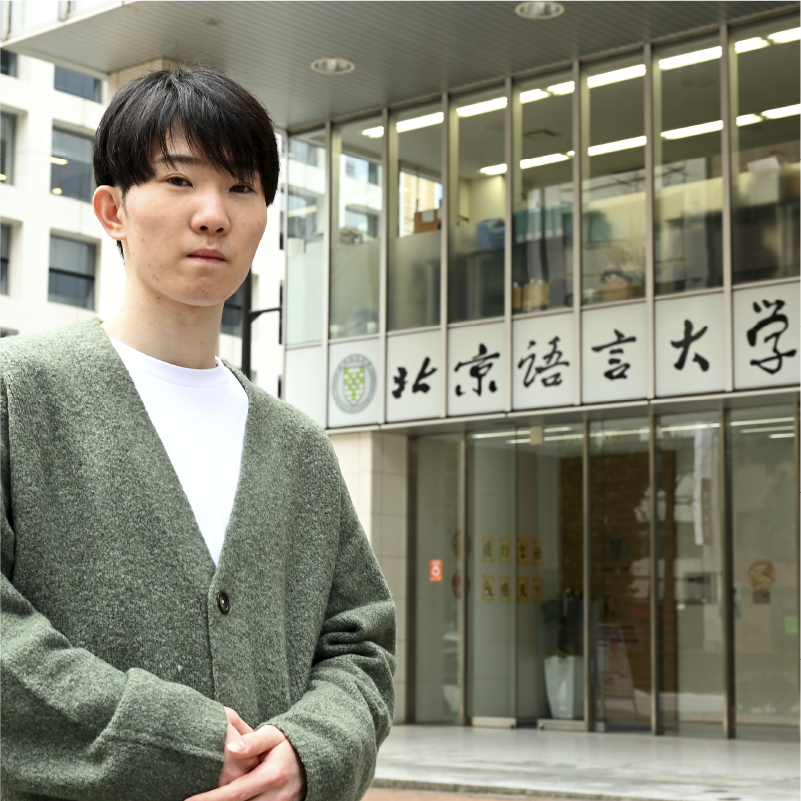
| Partner Schools | Beijing Language and Culture University (Beijing), Shanghai University (Shanghai), Shenzhen University (Shenzhen) |
|---|---|
| qualifications of candidacy |
Graduates and prospective graduates of all department courses (non-Chinese nationals) 2nd year transfer...HSK Level 4 *It is possible to transfer to the Tokyo School in the 2nd year and study at the main school in China from the 3rd year. |
Korea
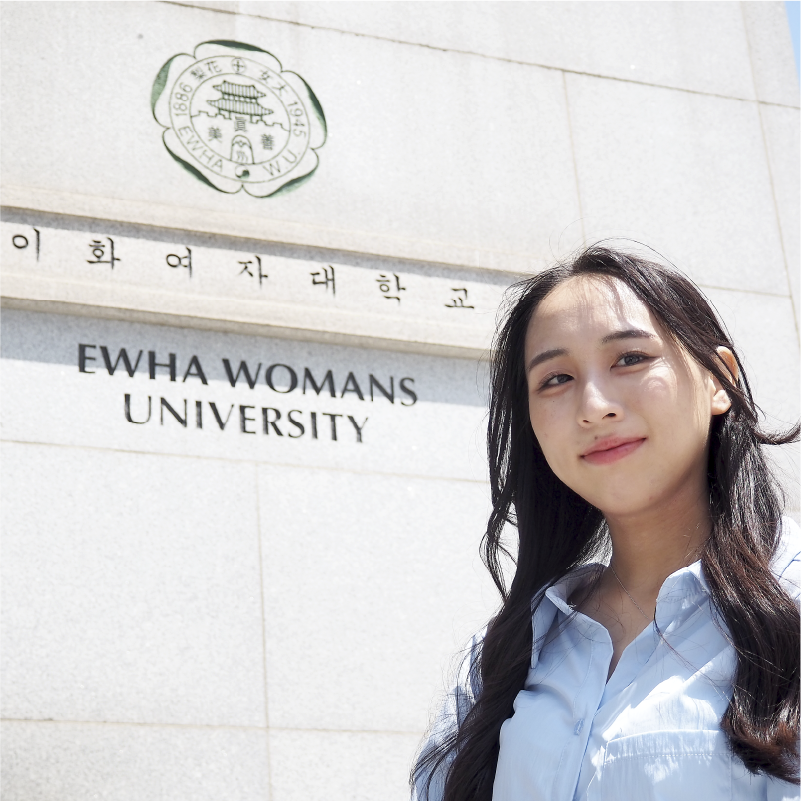
| Partner Schools | Ewha Womans University (Seoul), Kyunghee University (Seoul), Konkuk University (Seoul), Sangmyung University (Seoul), Soongsil University (Seoul), Seoul National University (Seoul), Sogang University (Seoul), Jeju National University (Jeju), Chungang University (Seoul), Hanyang University ERICA (Ansan City), Hankuk University of Foreign Studies (Seoul Special City), Hannam University (Daejeon Metropolitan City), Myongji University (Seoul Special City) |
|---|---|
| Application Requirements |
Graduates or prospective graduates of Korean language courses (both you and your parents must be non-Korean nationals) Korean Language Proficiency Test (TOPIK) Level 3 or above |
France
| Partner Schools |
EMBA-ISUGA (Quimper, Brittany) *3-year school for business in France and Asia in "English |
|---|---|
| Application Requirements | Graduates or prospective graduates of 2-year course |
Transfer to one of Korea's best
prestigious women's universities.
I will learn the latest fashion
in Korea.
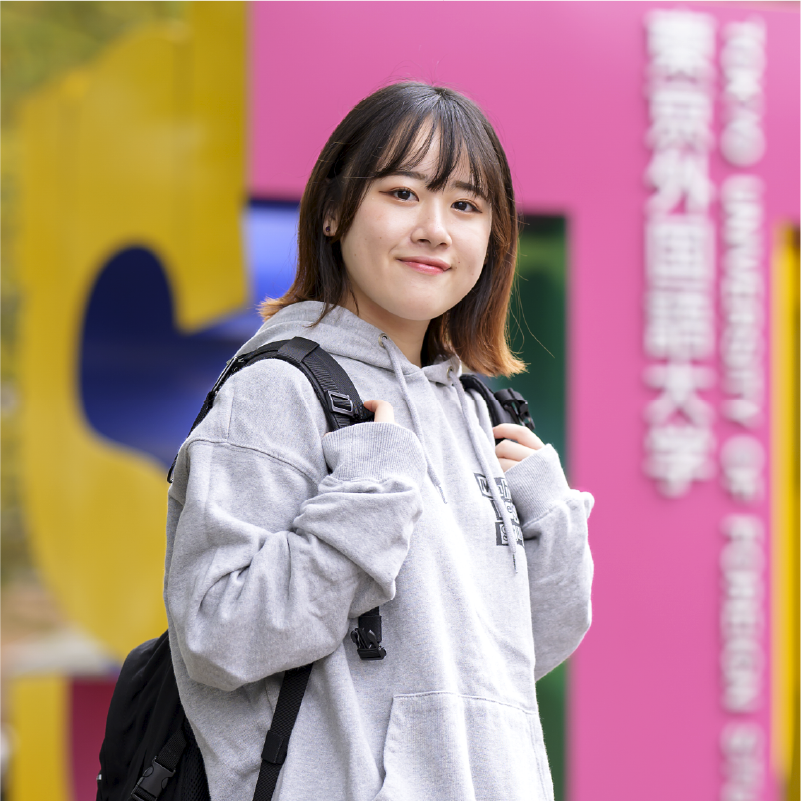
Sophomore, Korean Language Course, Department of Asian/European Languages, Tokyo Metropolitan Todaiwa Minami High School
Yukina Fujino
Accepted as a 3rd year transfer student, Department of Clothing Industry, Ewha Womans University, Korea
TOEIC® 770, Korean Language Proficiency Test (TOPIK) Level 6 (highest level)
I enrolled in Kanda Institute of Foreign Languages because I became interested in Korean fashion and food culture through Korean TV dramas and wanted to live there. I had many opportunities to speak freely with Korean teachers, and I was able to learn real Korean, which is different from the Korean language used in TV dramas. Occasionally, Korean students visit Japan and we have opportunities for international exchange. We did fieldwork together around Tokyo Station and Asakusa, and had a lot of fun talking about our favorite anime and love stories. I am still connected with them through SNS. Outside of school, I also had the opportunity to volunteer at an international conference where TV drama producers and scriptwriters from Asian countries gathered. I will never forget being able to exchange words in Korean with famous scriptwriters in Korea. In choosing a place to study abroad, I applied to Ewha Womans University, which is well known in Japan and is also prestigious in Korea. Although Ewha Womans University had no experience in transferring students to other universities, they supported us so much that we had nothing to worry about. The transfer requirement was to obtain TOPIK level 4 or above, but I eventually passed level 6, the highest level. I plan to study design extensively while learning about the history of clothing culture and practical production methods. What I want to pursue is fashion that combines the essence of Korea and Japan. I would like to use my skills in both Korean and English to deeply study designs there that I am uniquely qualified to do.
*Courses to which students belonged are indicated by the former department name.
English for International Communication from Foreign Teachers
EIC - English for International Communication English for International Communication English for International Communication
International Business Career Course, International Airline Course, International Tourism Course, International Hotel Course, English Major Course, Asian/European Language Course, English Teacher Training Course for Children
Students in the Digital Communication course take EDC (English for Digital Communication) twice a week.
Kanda Institute of Languages has established partnerships with numerous overseas schools and local companies. Students can participate in short-term training programs and internships in various countries while still in school, regardless of their major language. Students can choose the period, content, and destination to suit their own objectives. Students have ample opportunities to put into practice the language skills and communication skills they have learned in the classroom overseas.
7 Features
English 4 Skills
-
Reading Skill [Reading Skill]
-
Listening Skill [Listening Skill]
-
Writing Skill [Writing Skill]
-
Speaking Skill [Speaking Skill]
KIFL 4Cs (Four Skills for the Future )
-
Communicaion [Communication Skills]
The ability to accurately understand the place, situation, and purpose, and to convey them in
appropriate expressions. -
Critical Thinking [Logical Thinking]
The ability to accurately understand and judge collected information and express opinions and proposals about them orally and in writing.
-
Creativity [Creativity]
The ability to think and act creatively, how to express ideas and
-
Collaboration [Collaboration]
The ability to work as a team, sharing knowledge and collaborating with others to solve problems while
learning.
5subjects of EIC
-
First year
-
Communication Strategies
Strengthen your speaking, listening and presentation
skills. -
English Foundations [Logical Thinking]
Students will review basic English while improving their reading and
writing skills.
-
-
2nd year
-
English in Practice
While learning various topics in English,
students will be able to exchange opinions with others in English. -
Ideas & Opinions
Students will be able to ethically summarize the information collected and express their ideas in a video or
essay.
-
-
-
Project Change
As the culmination of two years of study, students will present their solutions to a given problem in English.
-
TOEIC® measures useful for job hunting and university transfer
Students will acquire English language skills that will enable them to play an active role in society with confidence.
TOEIC® Preparation
Average Score by TOEIC® Examinees
- Average score of 2nd year students at Kanda Institute of Languages653 points
- Number of students who obtained a score of 700 or higher while in school one inthree ( possibilities, alternatives, etc.)
Kanda Institute of Languages results are as of the end of February 2024. Excluding Asian/European Languages and Study Abroad programs.
Source: "TOEIC®Program DATA & ANALYSIS 2022" by the International Business Communication Association.
Students will learn in level-specific classes from teachers who are familiar with TOEIC®.
Students are required to take the TOEIC® test four times in their first year and three times in their second year, and teachers analyze students' weak areas based on the TOEIC® scores and provide guidance on effective learning methods. This allows students to continue to study in an environment that is appropriate for their level of proficiency. Students who achieve a TOEIC® score of 700 or higher during their studies are eligible to apply for a scholarship after graduation.
TOEIC® scores are important in a variety of situations.
business
- Utilized to measure the English language skills of new employees.
- Used as a standard for overseas business trips and expatriation.
- Utilized as a requirement for promotion and advancement.
- Expect to obtain 660-840 points in the international category.
(TOEIC® official website operated by the International Business Communication Association
post-secondary education institution, incl. university, college, etc.
- Adopted as one of the application requirements for the entrance examination.
- Adopted as the English subject test in the transfer examination.
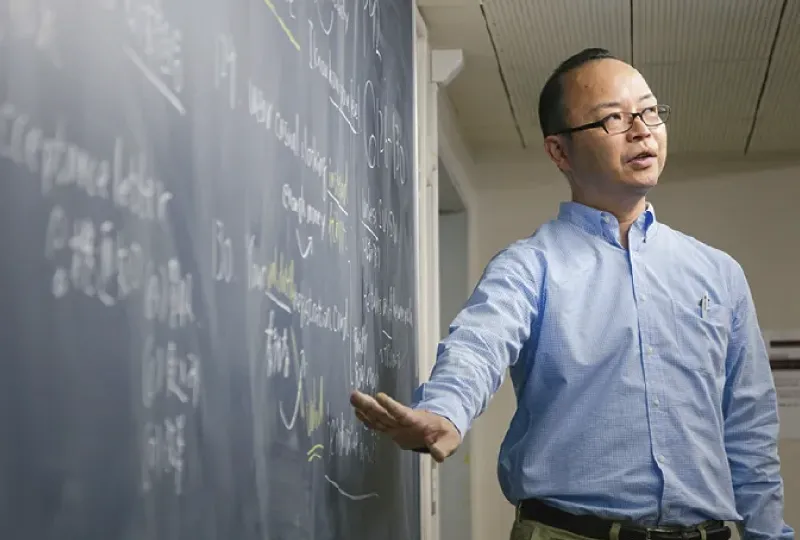
Dr. Takehiko Kato, Academic Advisor, Kanda Language Group
TOEIC® score improvement requires the three skills of English, test-taking skills, and hard work, and in TOEIC® classes, students will learn not only how to improve their English for business situations, but also effective test-taking skills and the importance of continuing to work hard.
Graduated from Kobe City University of Foreign Studies, Faculty of Foreign Languages, Department of English and American Studies. 990 TOEIC®. He holds a TOEIC® score of 990 and is a Level 1 certified English language proficiency test holder. Under the pen name "TEX Kato," he has written many books related to TOEIC®, including "TOEIC® L & R TEST Degakutan Tokkyu Kin no Phrase" (Asahi Shinbun Publishing) and "Shin TOEIC® Test Grammar Mondai de De 1000 Mondai" (Ask).
Not only the common subject TOEIC®,
numerous supports to ensure that you achieve your goals.
Support
We always keep track of our own abilities and set goals for each of us.
All students must take the TOEIC® 7 times (required)
In order to familiarize students with TOEIC® questions and help them obtain a high score, there are a total of seven required on-campus examinations: four in the first year and three in the second year.
TOEIC® test available on campus every month (optional: fee required)
In addition to the seven required examinations, students who wish to take the TOEIC® (optional: fee required), which is administered on campus every month, can take the TOEIC® (optional: fee required) according to their own goals and objectives.
We have established reference points for advancement and graduation
-
On-campus TOEIC® ( required)
Exam Schedule -
On-campus TOEIC® (optional) conducted monthly
We offer a variety of opportunities to steadily improve your English skills.
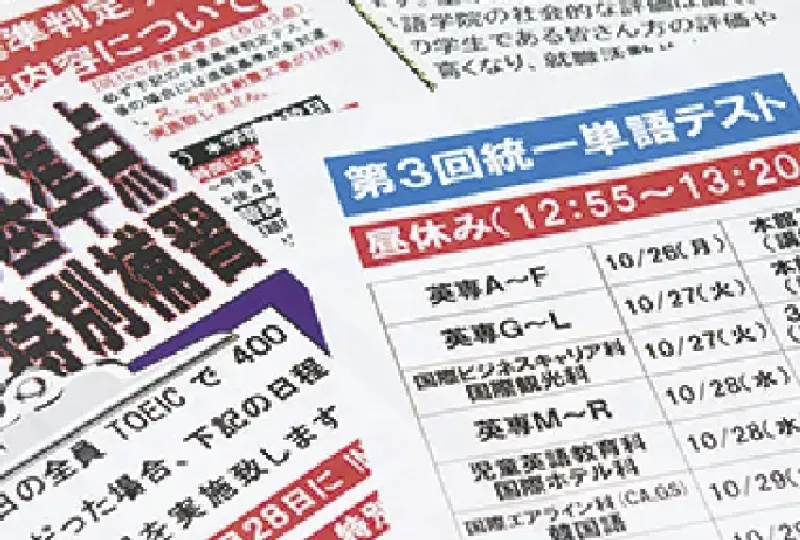
TOEIC® vocabulary test for all students (required)
Vocabulary tests are administered regularly to build vocabulary skills that will be the foundation for improving scores.
TOEIC® preparation courses offered as electives and extracurricular activities
TOEIC® preparation courses by skill and level are also available in elective and extracurricular courses (for a fee). Students can study according to their own issues, such as overcoming weak points.
TOEIC® training camp (optional, charged)
During the summer vacation period, we hold a TOEIC® training camp at an outside training facility. Through this intensive one-week study program, we aim to increase the TOEIC score by 100 points or more from the latest score, learn efficient study methods, and develop study habits.
TOEIC® Study Support Center
There is a professional advisor to guide students in preparing for the TOEIC® exam, which is appropriate for each student.Students are always welcome to consult with us individually according to their level of understanding and study progress.
PICK UP
In one year
535 points
up
I was not a good student, but I obtained a high TOEIC® score!
TOEIC® 390 points at entrance → 925 points in 1 year
In the TOEIC® class, an expert teacher carefully teaches each part. As a result of continuing to practice the study methods taught by the teacher, my TOEIC® score increased by 535 points in one year! Finally, my best score was 940 points.
English major, 2nd year
Kenichi Koizumi
In one month
240 points
up
After attending the TOEIC® camp
score increased significantly in one month!
TOEIC® score of 470 before the camp → 710 one month after the camp
The TOEIC® training camp increased my vocabulary, and I was able to fill in the blanks and read long passages with ease! As a result of concentrated study on tips to get a high score, I was able to improve both listening and reading skills in a short period of time in a well-balanced manner.
Asia/
Department of European Languages
Korean Language Course 2nd Year
Ms. Marie Nagaya
All student course affiliations are listed under the former department name.
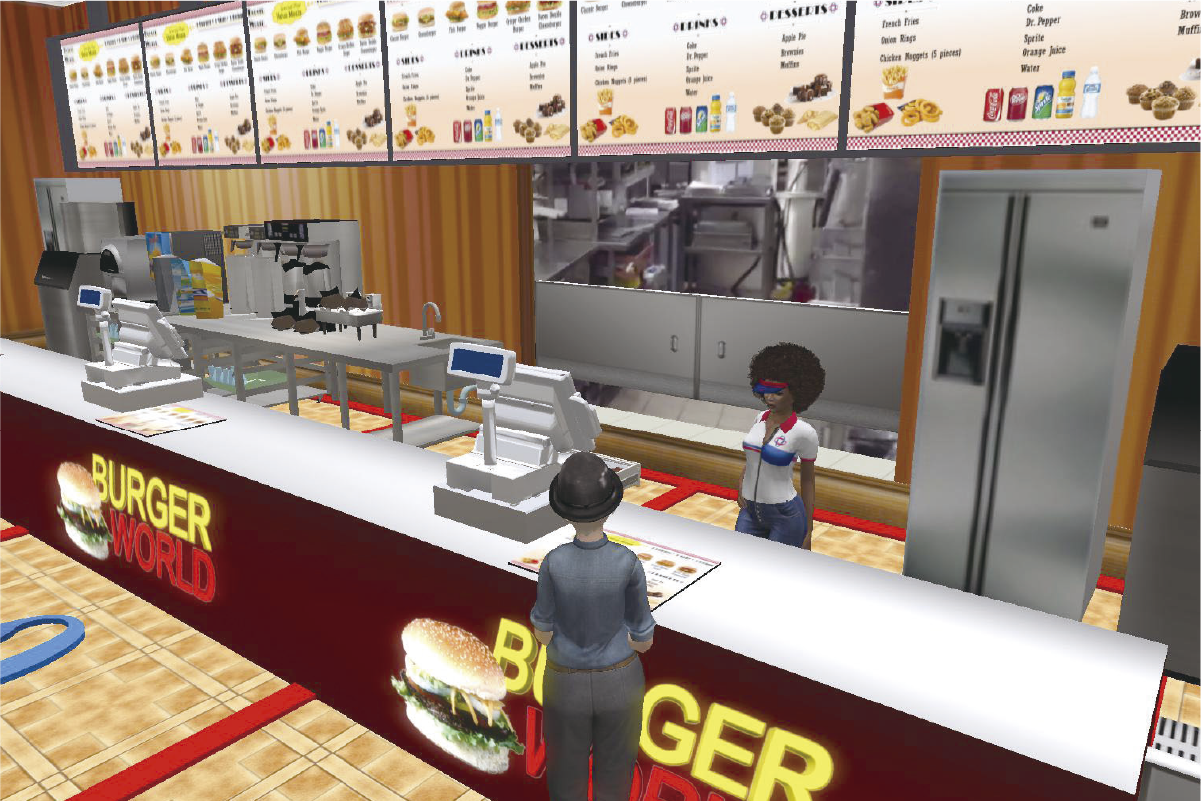
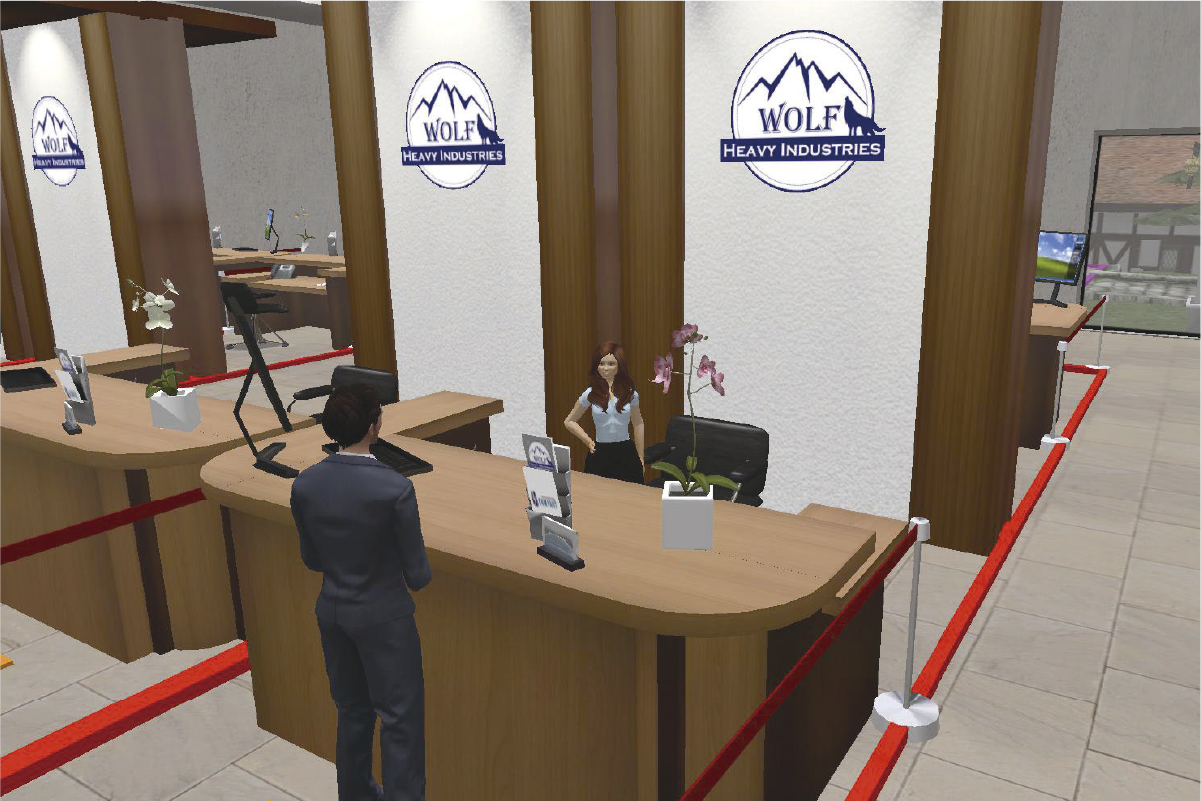
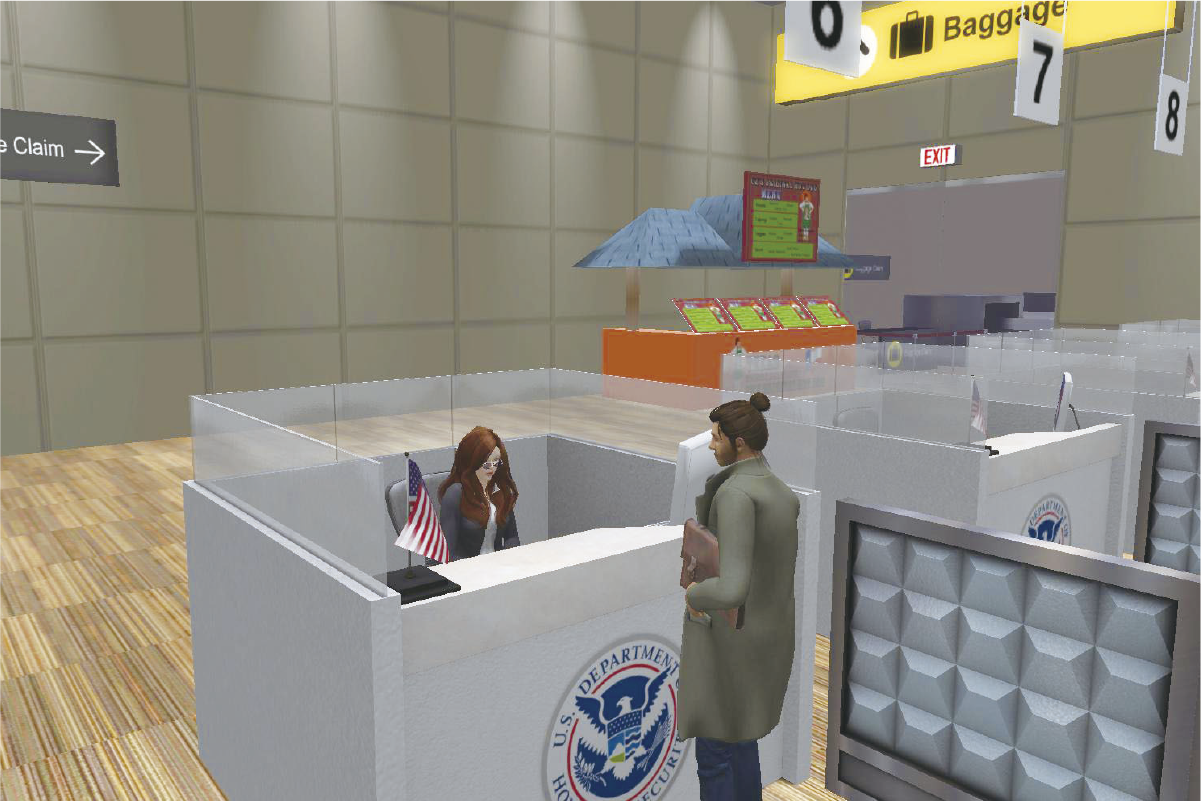
Metaverse English Conversation to Experience Real Life Abroad
HELP - Hybrid English Learning Program
Kanda Institute of Languages has established partnerships with numerous overseas schools and local companies. Students can participate in short-term training programs and internships in various countries while still in school, regardless of their major language. Students can choose the period, content, and destination to suit their own objectives. Students have ample opportunities to put into practice the language skills and communication skills they have learned in the classroom overseas.
Students will learn practical English conversation skills by using the expressions they learn in class while having fun and conversing like a game.
Students create and operate their own avatars (alter egos) in the virtual world.
Their conversation partner is a foreign teacher in a separate room. They check expressions, pronunciation, etc., and provide feedback after the
session.
A variety of electives to develop your potential
Diverse Elective Courses
Students can choose to study a variety of languages across course boundaries, including Korean through K-POP, Spanish for travel, and many other subjects that students can enjoy while learning. Online international exchange with students from around the world, and courses to prepare for the overseas mission dispatcher exam, which requires students to work at embassies around the world, are also available. Students can broaden their career paths after graduation while aiming to become multilingual human resources.
Electives:
English Discussion / TOEFL® Preparation Course (Intermediate) / IELTS Preparation Course (Intermediate) / Business Career Development Seminar / Korean Language Learned from K-POP / Introduction to Korean Language / Introduction to Korean Interpretation and Translation / Introduction to Chinese Language / Introduction to Spanish Language / Introduction to French Language / SPI Preparation / TOEIC® Intermediate Preparation for SPI / TOEIC® Intermediate / Online International Exchange / Preparation for Overseas Embassy and Consulate Deputies / Academic Skills, etc. (Courses may not be offered depending on the year.)
English + 1 Language" Qualification measures to prove proficiency in a foreign language
Qualification measures
Foreign faculty members of each major language are experts in second language teaching. Students develop their English plus one language skills to a business level. FLL (Foreign Language Lounge) is available for students to ask questions to instructors outside of class. Students can acquire qualifications to prove their foreign language proficiency and use them for job hunting and university transfer.
Examples of qualifications:
TOEIC® 700 or above, Practical French Proficiency Test Level 2, DELF "A2", Spanish Proficiency Test Level 4, DELE Spanish Proficiency Test B1, Chinese Proficiency Test Level 3, HSK Level 5, "Hangul" Proficiency Test Level 2, Korean Language Proficiency Test (TOPIK) Level 5, etc.