Department of International Communication

korean course
KOREAN COURSE

Korean language starting from zero. You can get the highest level of TOPIK (Test of Proficiency in Korean as a Foreign Language) or transfer to a Korean university.

POINTS
Learning Points


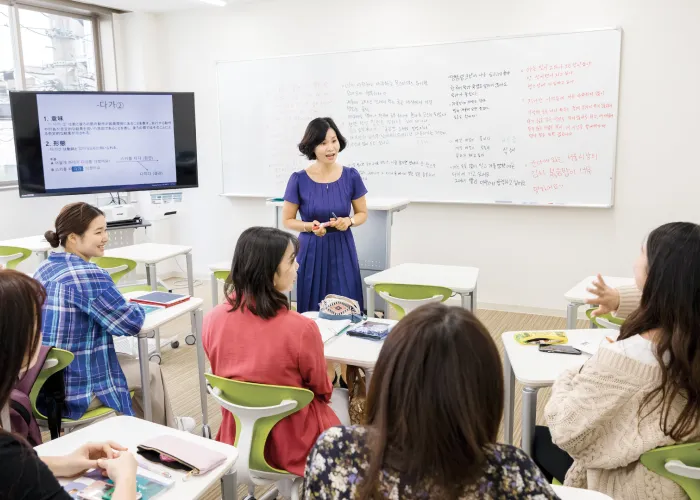
classes based on your proficiency level.

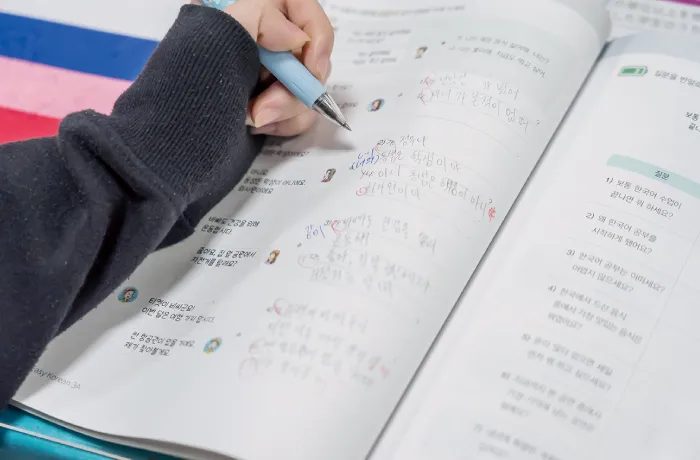
Classes are organized by proficiency level, so whether you are learning Korean from scratch or are self-studying before entering the program, you can study at a level that suits you. Classes are reorganized in the second year according to class performance.
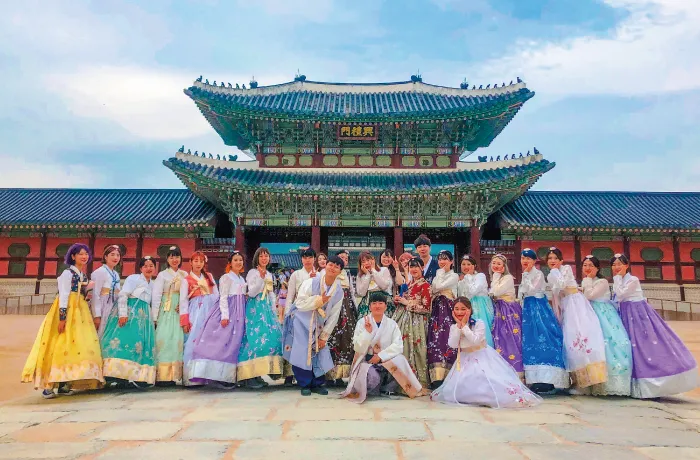
language study abroad programs at local universities

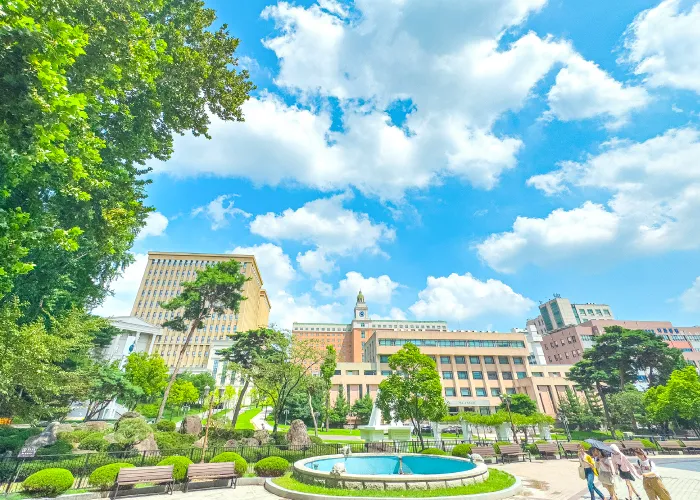
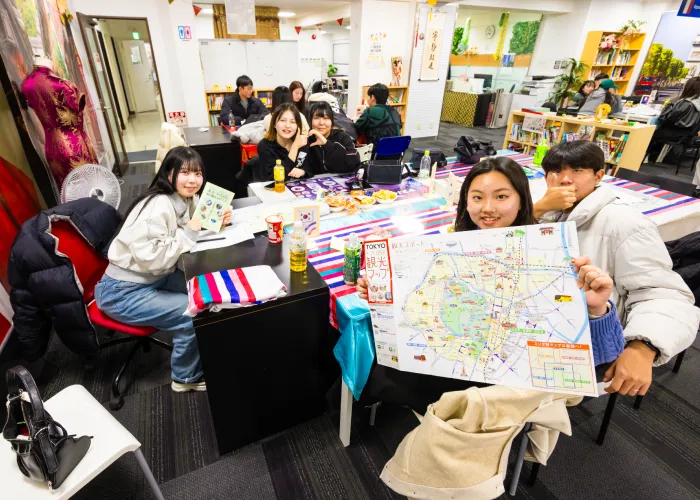
During the summer vacation period (approximately 2 to 3 weeks), students can study language at a university in Seoul Metropolitan City. All classes are organized according to proficiency level. There are also a variety of extracurricular activities that allow students to interact with local students and experience Korean history and culture.


Korean + English,
Developing two language skills

Students learn Korean at a level appropriate for them, while simultaneously learning English in classes organized according to proficiency level, aiming to become trilingual. By mastering both Korean and English, students will have the ability to pursue a global career or transfer to a high-level university in Korea.

TOPICS
Course Topics

Top class domestic acceptance rate. Generous support for students who wish to transfer to Korean universities.

We are affiliated with 13 Korean universities, and students who meet certain criteria can transfer to the third year after graduation. This program provides a thorough explanation of the Korean education system, how to select a university and major, how to research study abroad fees, and the actual study abroad procedures. We will answer any questions you may have about studying in Korea and provide extensive support for application and exam preparation. Transferring to one of Korea's most prestigious universities is not a dream.


For the fifth consecutive year, all transfer applicants were accepted to a Korean university!

affiliated school

Ewha Womans University (Seoul), Kyunghee University (Seoul), Konkuk University (Seoul), Sangmyung University (Seoul), Soongsil University (Seoul), Seoul National University (Seoul), Sogang University (Seoul), Jeju National University (Jeju), Chungang University (Seoul), Hanyang University ERICA (Ansan City), Hankuk University of Foreign Studies (Seoul Special City), Hannam University (Daejeon Metropolitan City), Myongji University (Seoul Special City)

qualifications of candidacy

Graduates of 2-year course,
Prospective graduates (both you and your parents must be non-Korean nationals)
Korean Language Proficiency Test (TOPIK) Level 3 or higher, GPA 3.0 or higher

PICK UP
Introduction of Classes

Korean Pronunciation Clinic

This popular class allows students to learn authentic pronunciation from Korean teachers. Phrases from Korean dramas are sometimes used, making it fun to learn correct and natural pronunciation.


Korean Presentation

The course deals with familiar a themes such as the differences in food culture and educational systems between Japan and Korea, and popular words among young people in Korea. Students will gather information and practice expressing their own opinions and thoughts in Korean in front of others.


East Asian Studies

The program will study the diverse cultures of East Asia, including history, customs, food, politics, economics, and religion, and nurture individuals who will serve as bridges between Japan and South Korea.


STUDENT'S
VOICE

What is the unique learning experience at KIFL?


Department of Asian and European Languages, Korean Language Program, 2nd Year
Chisaki Okano
Graduate of Ibaraki Prefectural Ina High School
Job offer from Airport Terminal Service Co., Ltd.

From Korean Beginner to TOPIK Level 5.
Landing a Job at Narita Airport with Korean and English as My Tools

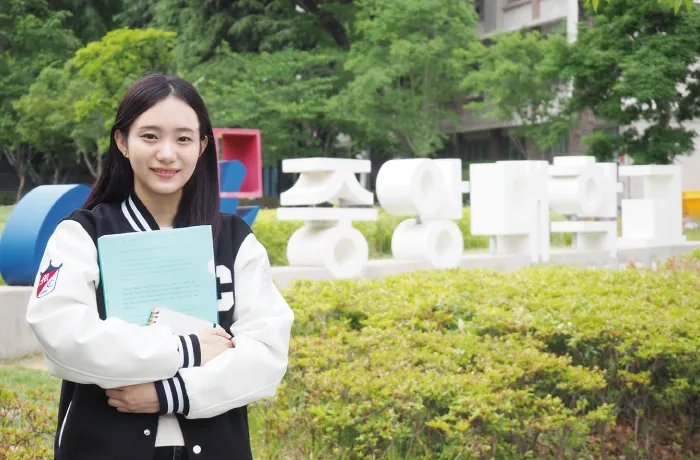
I was deeply impressed by the current students I met at the open campus event—they were thriving in their respective fields, having earned the highest level certification on the Test of Proficiency in Korean (TOPIK) or secured job offers from well-known companies.My strong desire to “grow here myself” was the reason I decided to enroll at KIFL. The curriculum, which allows for a balanced study of Korean and English, was also the ideal environment for me, as I wanted to make both languages my strengths for the future.
The experience where I felt I grew the most during my time at KIFL was the two-week study program in Korea I participated in during the summer of my first year. In addition to being able to study at a level suited to me in classes organized by proficiency level, my Korean speaking skills improved significantly through interactions with local students and practical use in daily life.After returning to Japan, I actively utilized KIFL’s Foreign Language Lounge (FLL), which enabled me to pass TOPIK Level 5 and the “Hangul” Proficiency Test Level 2, and my TOEIC® score increased by about 450 points.As a complete beginner in Korean, I was able to earn these certifications thanks to the Korean instructors who kindly helped me prepare for the exams even outside of class. I believe that the greatest appeal of KIFL is the environment where I can engage in daily conversation with native instructors and thoroughly practice both input and output.
After graduation, I plan to find a job where I can put my Korean and English skills to use, so I’ll be working as an information counter staff member at Narita Airport. During my time studying abroad, I was helped countless times by the kindness of the local people, which helped ease my anxiety. Now, I want to be there for each and every customer and support them so they can enjoy their travels with peace of mind.

VIEW MORE

CAREER
Qualifications and Career Paths

Aimed Qualifications

  • Korean Language Proficiency Test Level 2 or above
  • Korean Language Proficiency Test (TOPIK) Level 5 or above
  • TOEIC® 600 points or higher

Microsoft Office Specialist